Sleep apnea is a common but often undiagnosed sleep disorder that affects breathing during the night. Many people associate it with loud snoring, but the condition can have broader effects on overall health and quality of life.
If you or a loved one experiences disrupted sleep, daytime fatigue, or chronic snoring, understanding sleep apnea — and how dental treatment may help — can be an important first step.
What Is Sleep Apnea?
Sleep apnea is a condition in which breathing repeatedly stops and starts during sleep. These pauses in breathing can last several seconds and may occur dozens of times per hour.
The most common form is obstructive sleep apnea (OSA), which happens when the airway becomes partially or fully blocked during sleep. This blockage is often caused by relaxed throat muscles or the tongue collapsing backward.
Another form, central sleep apnea, occurs when the brain does not properly signal the muscles that control breathing. Obstructive sleep apnea is far more common.
What Are the Symptoms of Sleep Apnea?
- Loud, chronic snoring — Often noticed by a partner
- Gasping or choking during sleep — Sudden awakenings
- Daytime fatigue — Feeling tired despite a full night in bed
- Morning headaches — Caused by oxygen deprivation
- Difficulty concentrating — Reduced focus or memory
- Dry mouth upon waking — From breathing through the mouth
Because many symptoms occur during sleep, people may not realize they have the condition.
Why Is Sleep Apnea a Concern?
Untreated sleep apnea can affect more than just sleep quality. Repeated interruptions in breathing reduce oxygen levels in the blood, which can strain the body over time.
- High blood pressure
- Heart disease
- Increased risk of stroke
- Type 2 diabetes
- Mood changes
- Weakened immune response
Addressing sleep apnea can significantly improve both sleep and overall health.
How Is Sleep Apnea Diagnosed?
A formal diagnosis typically requires a sleep study, which may be performed in a sleep clinic or at home using specialized monitoring equipment.
A sleep study measures:
- Breathing patterns
- Oxygen levels
- Heart rate
- Brain activity
- Sleep stages
Based on the results, a healthcare provider determines the severity of the condition and recommends appropriate treatment.
How Can Dental Treatment Help With Sleep Apnea?
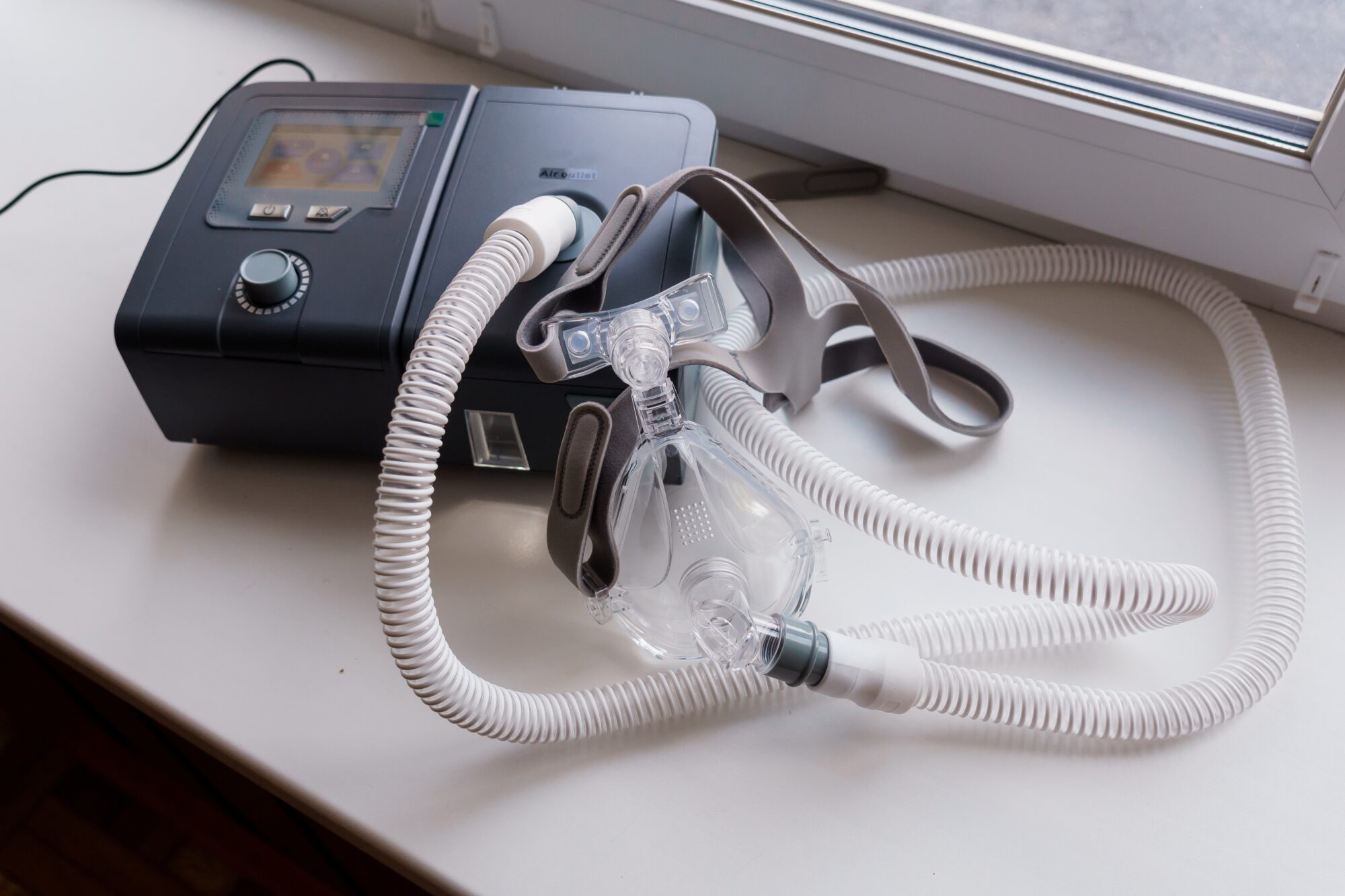
While continuous positive airway pressure (CPAP) therapy is a common treatment for moderate to severe sleep apnea, dental treatment offers an alternative option for certain patients.
Dentists trained in sleep-related breathing disorders can provide oral appliance therapy for obstructive sleep apnea.
What Is an Oral Appliance?
An oral appliance is a custom-made device worn during sleep. It looks similar to a mouthguard and works by gently repositioning the lower jaw and tongue to keep the airway open.
Oral appliances help by:
- Preventing airway collapse
- Reducing snoring
- Improving airflow during sleep
- Supporting more consistent breathing
Because they are compact and portable, many patients find them easier to use than CPAP machines.
Who Is a Good Candidate for Oral Appliance Therapy?
- Have mild to moderate obstructive sleep apnea
- Cannot tolerate CPAP therapy
- Experience chronic snoring
- Prefer a smaller, travel-friendly solution
A collaborative approach between a dentist and a sleep physician ensures appropriate diagnosis and treatment planning.
What Are the Benefits of Dental Sleep Apnea Treatment?
- Comfortable and custom-fitted
- Easy to travel with
- Quiet during use
- Non-invasive
- Simple to maintain
Improved sleep quality can lead to better daytime energy, focus, and overall well-being.
Can a Dentist Cure Sleep Apnea?
Sleep apnea is a medical condition that requires ongoing management rather than a one-time cure. Dental treatment helps manage symptoms and reduce airway obstruction, but regular follow-up and monitoring are important.
Lifestyle adjustments — such as weight management, sleep position changes, and avoiding alcohol before bed — may also support treatment outcomes.
When Should You Seek Help for Sleep Apnea?
- Persistent loud snoring
- Frequent nighttime awakenings
- Excessive daytime sleepiness
- Morning headaches
- Difficulty staying alert during the day
Early evaluation can reduce long-term health risks and improve sleep quality.
Looking for Sleep Apnea Treatment in Land O’ Lakes, FL?
If you’ve been diagnosed with obstructive sleep apnea or are struggling with chronic snoring, Land O’ Lakes Dental Care offers customized oral appliance therapy to help improve airflow and support better sleep.
Our team works collaboratively to create comfortable, personalized treatment solutions designed to enhance your quality of rest and overall health. Contact our office today to schedule a consultation and learn more about your options.